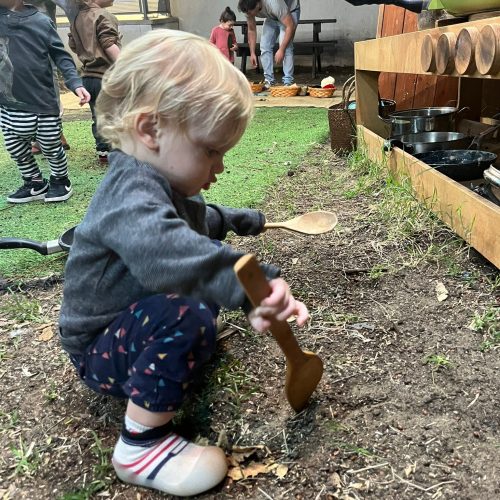
Modern urban environments, characterized by dense development, visual overstimulation, and diminishing access to natural spaces, place emotional and sensory demands on both young children and their caregivers. Time spent in nature offers a counterbalance through a slower pace, exposure to natural daylight, and direct contact with soil, vegetation, and the changing seasons. Natural environments also provide a rich variety of textures and organic materials that stimulate curiosity and encourage open-ended exploration. Together, these qualities support well-being, foster a greater sense of calm and security, and create an enriching environment for children's learning and development.
As part of Tel Aviv–Yafo's strategic approach to strengthening early childhood services, the municipality identified a need to deepen young children's connection to both nature and their local community. Through a collaborative design process, the idea emerged to create an atelier—an artist's studio or creative workshop—within an urban natural setting. Drawing on the concept of the open studio in community arts practice, the model was adapted for infants, toddlers, and their caregivers.
The initiative uses art, creative exploration, and engagement with nature to strengthen families' sense of belonging to both their neighborhood and community center. At the same time, it creates opportunities for unhurried moments of exploration and direct engagement with the natural environment, providing an essential counterbalance to the pace of urban life.
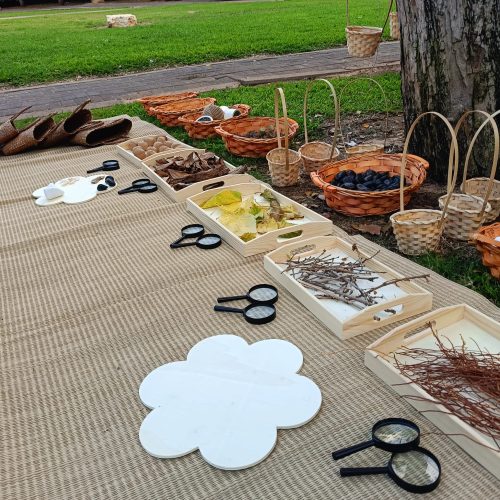
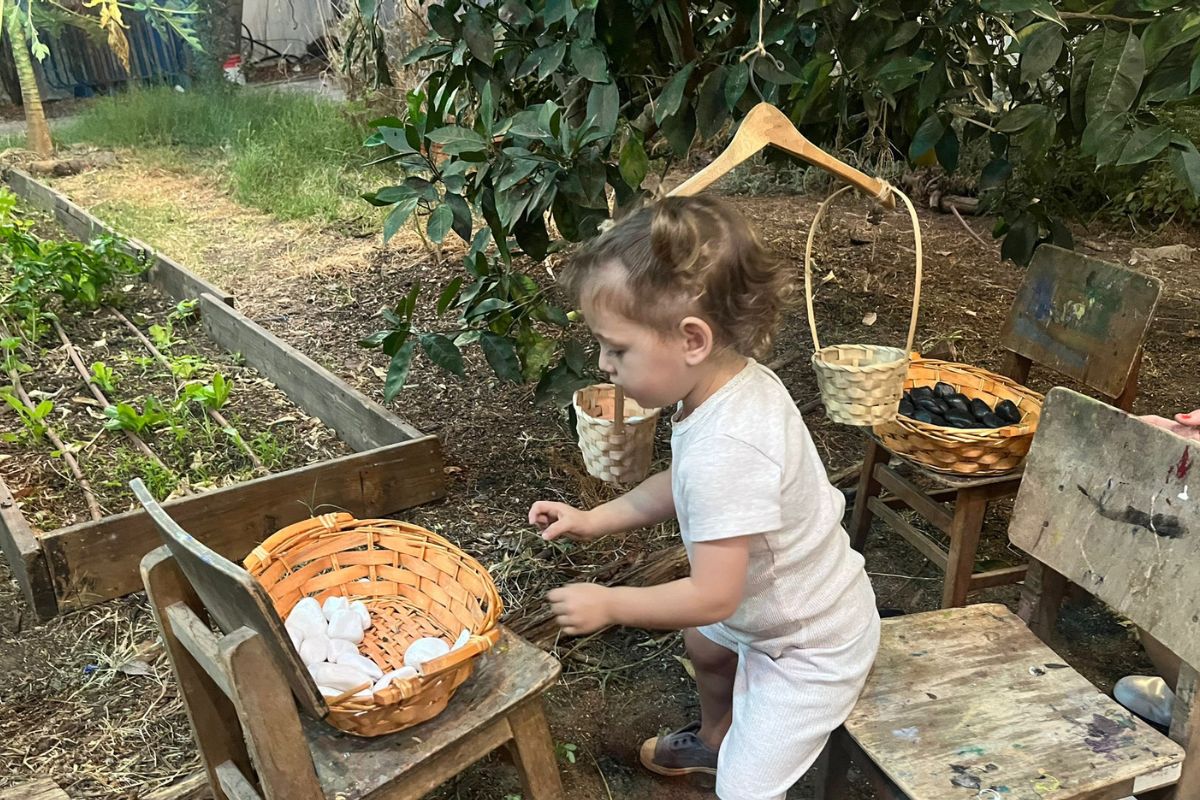
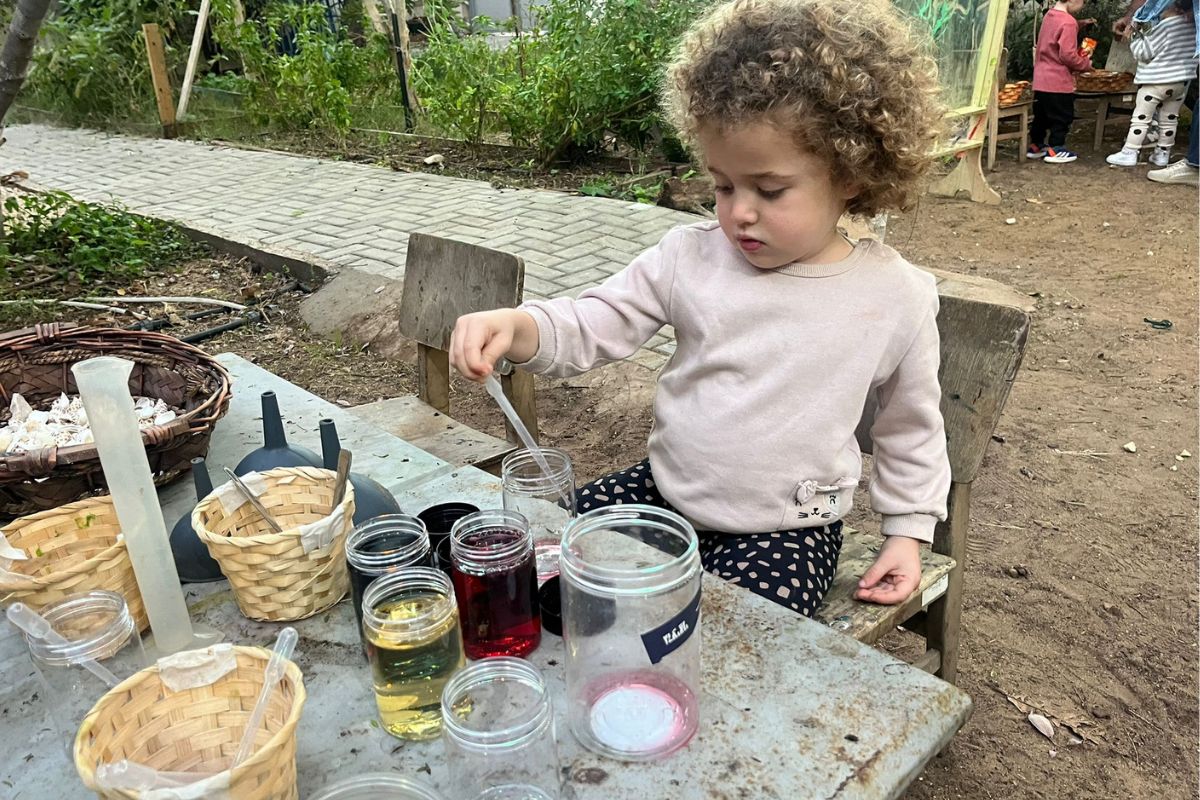
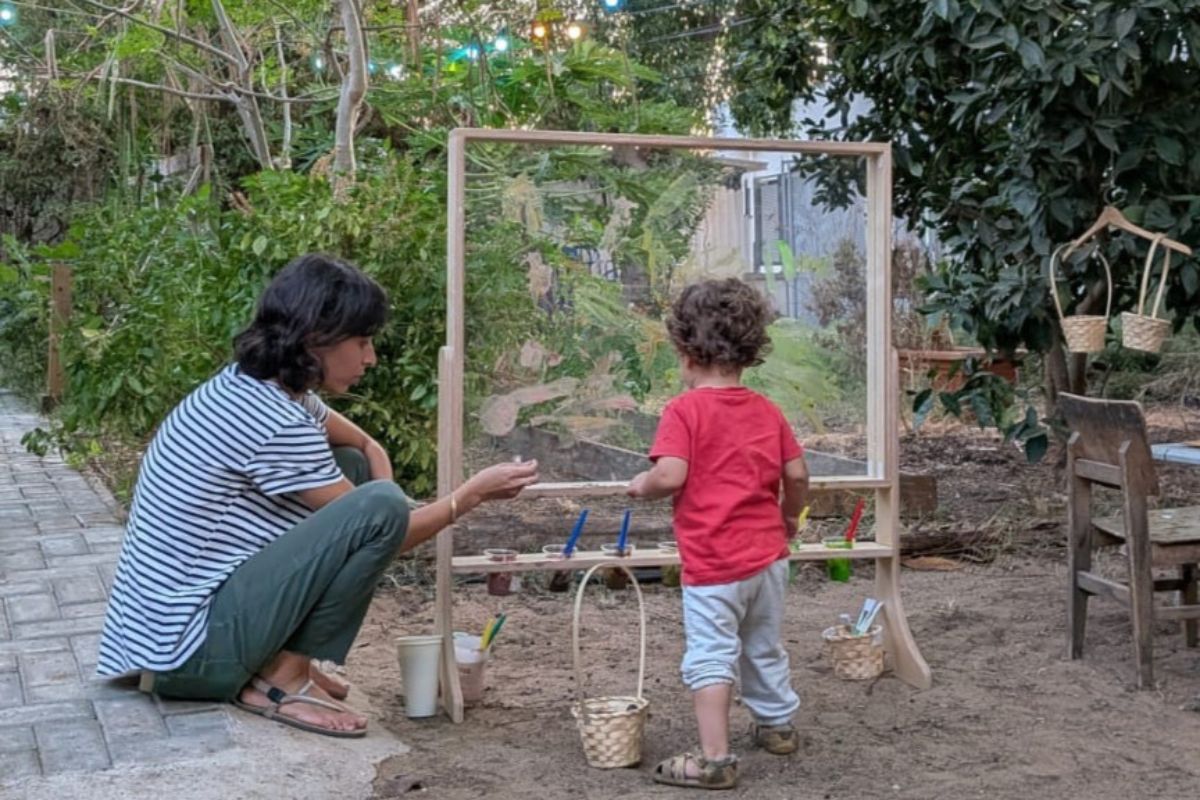
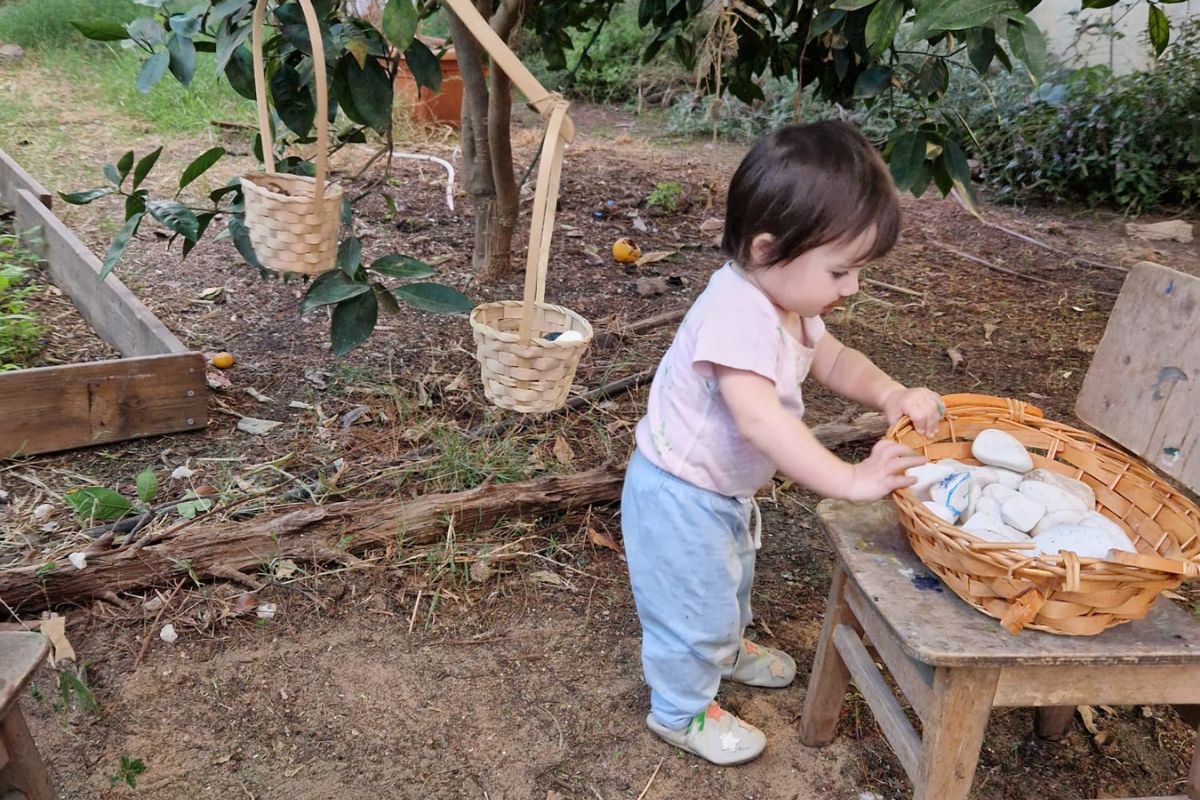
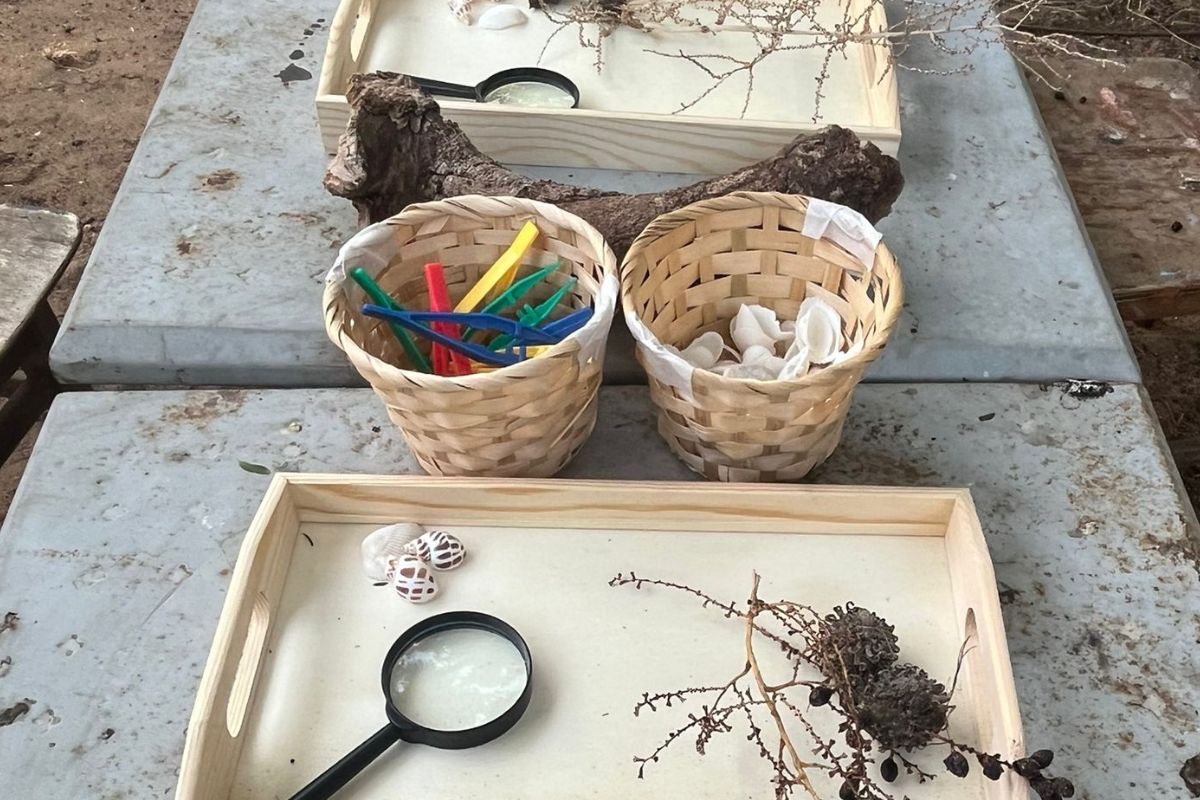
The program invited parents and children aged one to four to participate in a series of sessions based on the open studio model. The space was organized into a series of permanent activity stations featuring collections of natural materials—including stones, branches, leaves, clay, sand, and water—that invited free play, exploration, and spontaneous creativity. Through open-ended engagement with these materials, the project sought to nurture children's innate creativity while expanding their understanding of the natural world and its materials.
The studio was intentionally designed as a space free from instructions or expectations of a predefined artistic outcome, allowing children to follow their own curiosity and explore at their own pace.
The program was delivered in six weekly 90-minute sessions, designed to create a safe and supportive environment for strengthening the parent–child relationship. While each series followed the same overall format, families had the flexibility to attend a single session or participate in multiple sessions. The studio itself also operated as an open space, allowing families to arrive and leave at any point during the session. This flexible format distinguished the program from the fixed structure of traditional classes and activities offered by community centers.
Through shared creative experiences, time spent in nature, and informal conversations inspired by the materials, parents were encouraged to slow down, be present with their children, and strengthen their relationship through relaxed, shared enjoyment. The facilitator's role was to prepare the space and materials in an aesthetically inviting way and to quietly support the process without directing or intervening in the children's creative work.
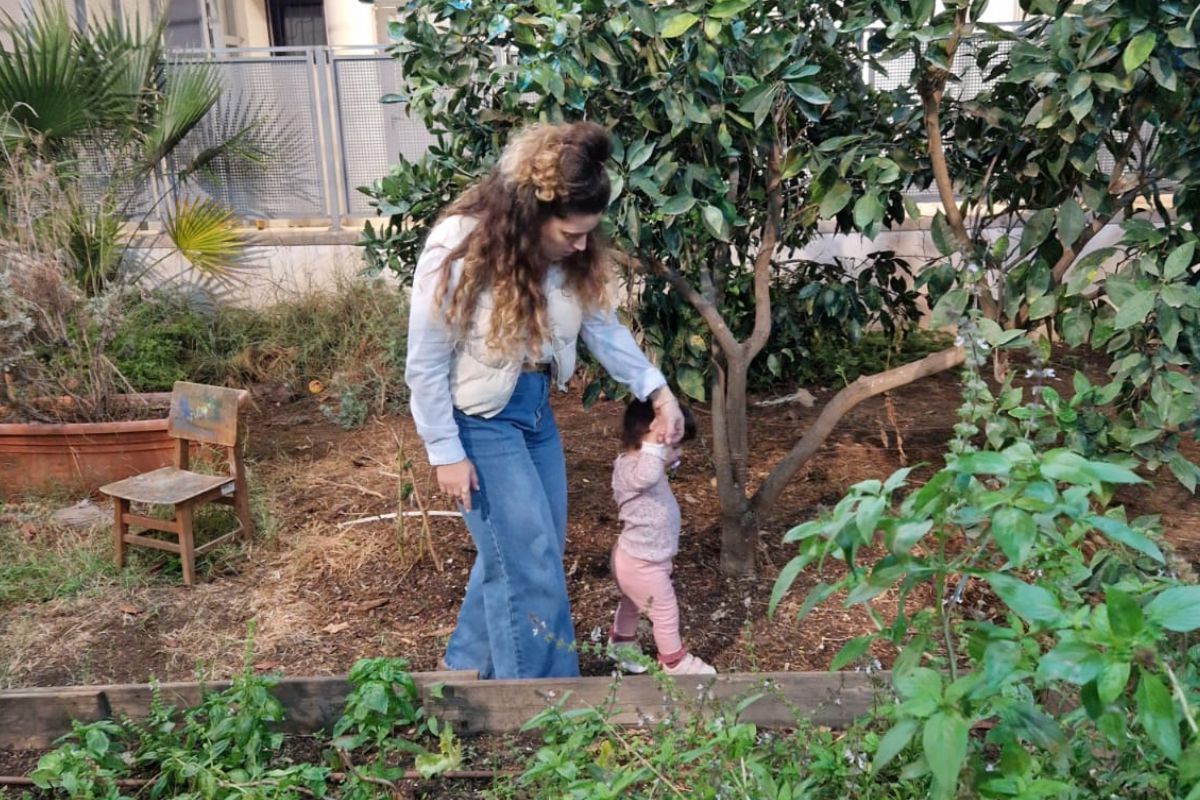
The decision to locate the program in community gardens and natural spaces adjacent to community centers reflected the understanding that public spaces can serve as places of exploration, inviting sensory engagement while deepening families' connection to their local environment.
As the pilot evolved, two distinct implementation models emerged across two community centers:
The success of the pilot supports expanding the Nature Studio model to additional locations, enabling more families to participate and experience the benefits of shared creative exploration in urban nature. The first challenge is identifying suitable sites that can accommodate the program's requirements, including fencing, shade, lighting, and storage. Scaling the model also presents operational and budgetary challenges, including the initial investment in permanent and consumable materials, as well as the need to set up and dismantle the space for each session. Beyond these logistical considerations, the long-term success of the program depends on having a committed lead staff member within each community center to champion the initiative and oversee its ongoing implementation.
Despite these challenges, the long-term vision is to develop a sustainable model that can operate in natural spaces across the city, alongside the establishment of seasonal exploration and creative workshops at additional locations.
Municipal Partners:
Six weekly seasonal sessions (spring or autumn), each lasting 90–120 minutes.
A fenced, shaded natural area adjacent to a community center, with storage space for equipment.
* Setting up and packing away the activity space before and after each session * Ordering consumable materials
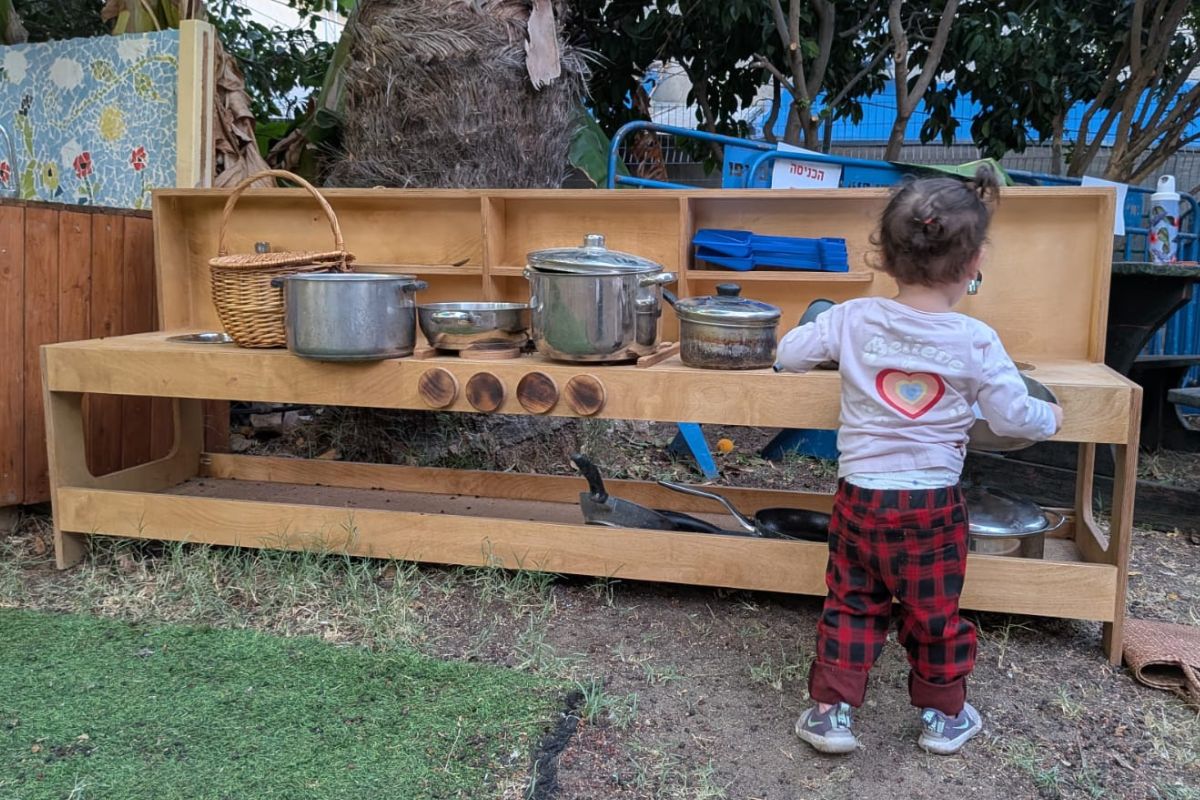
* Professional facilitators * Consumable art materials * Permanent equipment (e.g., mats and art supplies) * Permanent installations (e.g., a mud kitchen and sand table)
Parents and young children aged 1–4