Parenting Time in the Park

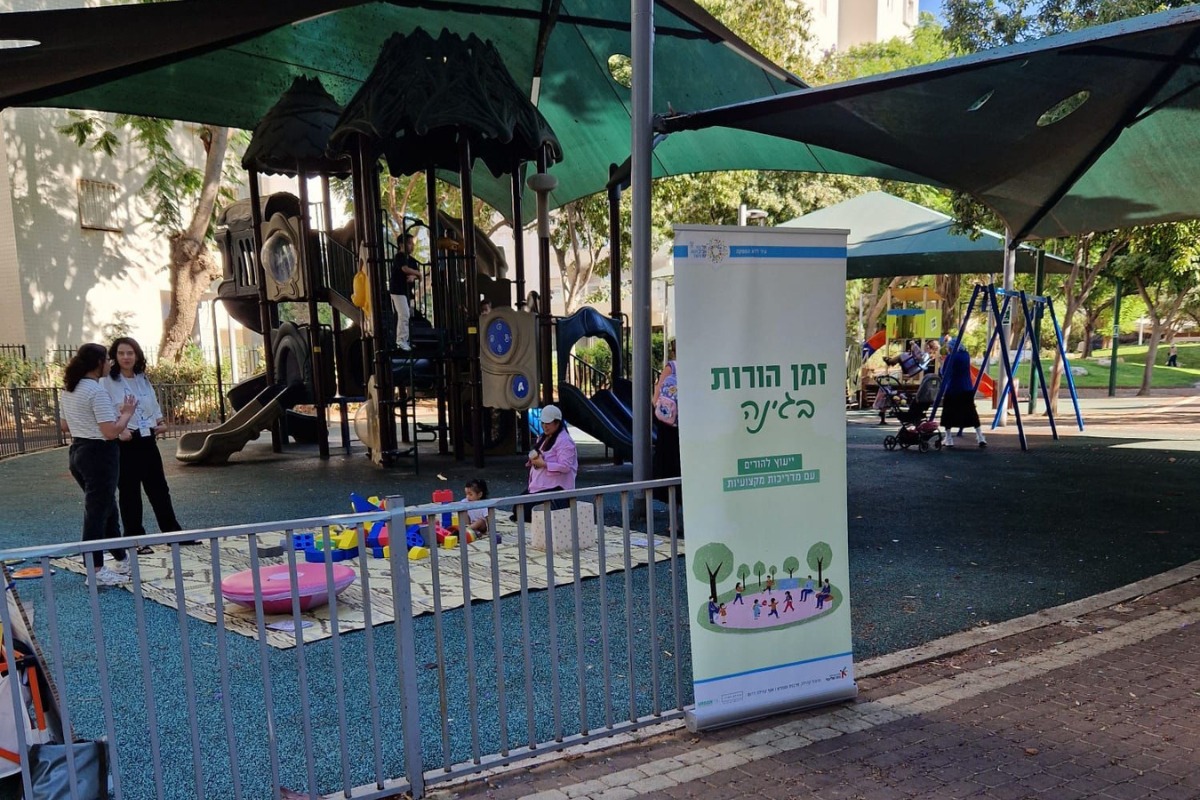
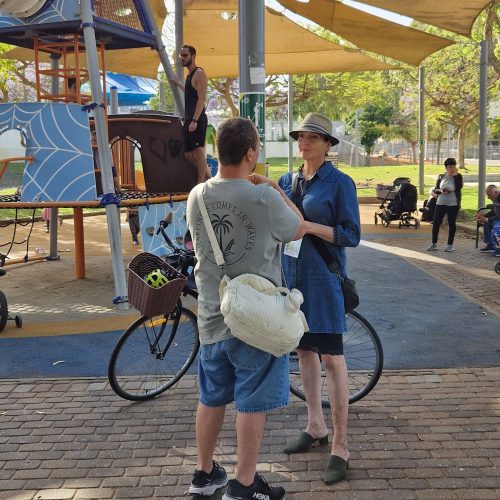
Bringing municipal services into the heart of everyday community life by placing professional parent facilitators in neighborhood parks across South Tel Aviv. The initiative is based on bringing support close to home and integrating it into families' daily routines, with the aim of reducing barriers to access among communities that are less likely to use formal public services.

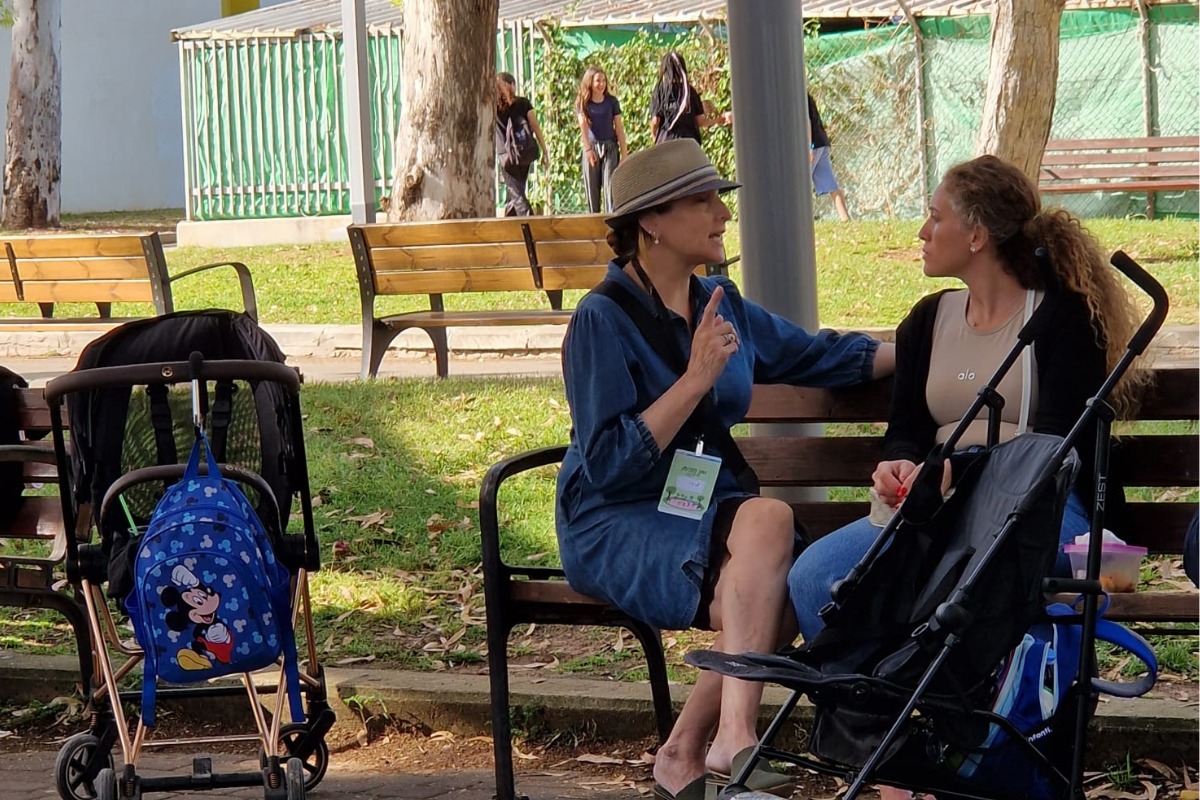
The project emerged in response to a significant gap between families' need for professional parenting support and their use of existing municipal services. While many parents expressed a clear need for guidance and advice, participation in services delivered through municipal facilities remained consistently low. Led by the South Tel Aviv Development Unit within the Community Administration, in partnership with the Municipal Parenting Center in the Education Administration, the initiative was shaped by a key insight: for many families in South Tel Aviv—who often balance financial pressures with the demands of daily life—the mere act of entering a formal municipal building can present a significant psychological barrier, evoking feelings of hesitation, discomfort, or exclusion.

At the heart of the initiative was the goal of normalizing parenting support by making it an integral part of community life. The underlying premise was that increasing participation required bringing high-quality professional support directly to families, rather than expecting families to seek it out, thereby removing both psychological and practical barriers to access. To this end, public parks were chosen as the primary setting for the initiative, as they provide a natural and accessible gathering place for families, allowing them to engage directly, without the mediation or bureaucracy often associated with formal services. The project's objectives were to:

  • Provide accessible professional guidance and support for parents close to home in an informal setting.
  • Strengthen parents' ability to understand, recognize, and respond to their children's developmental, emotional, and social needs.
  • Connect parents with community and municipal support services, while encouraging them to seek help when needed.

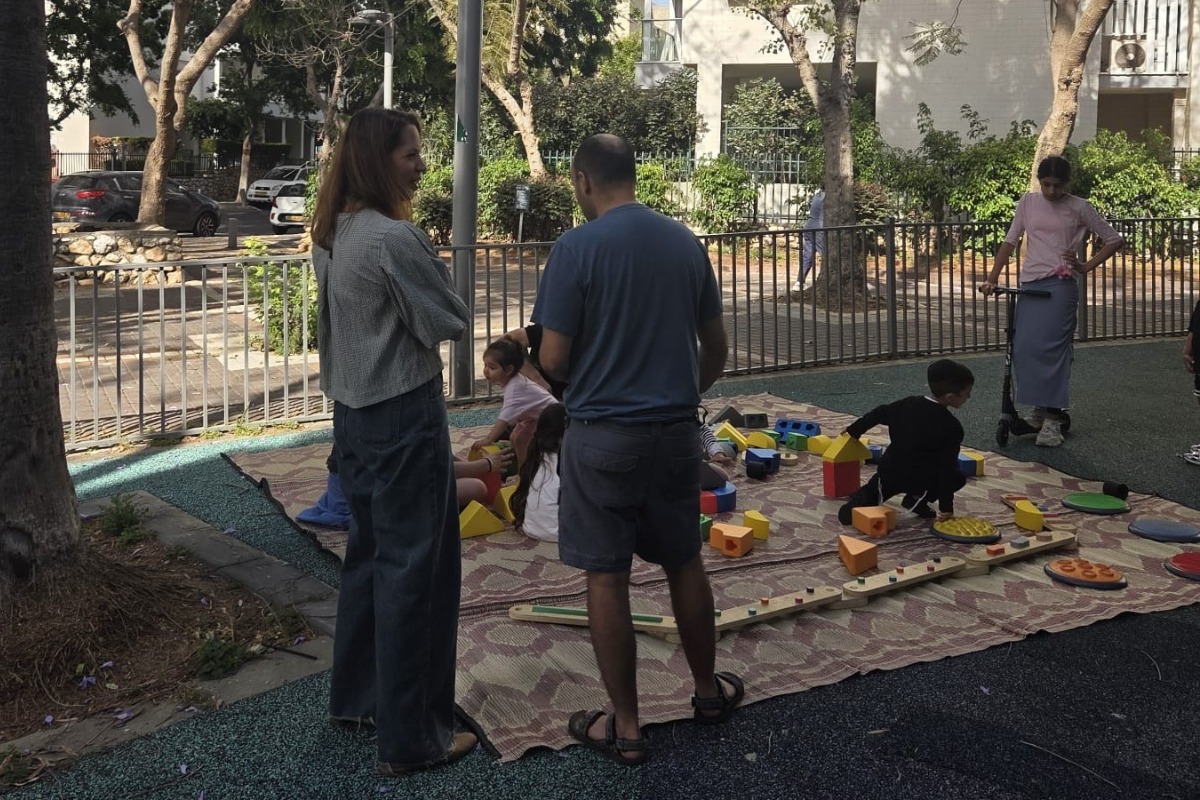
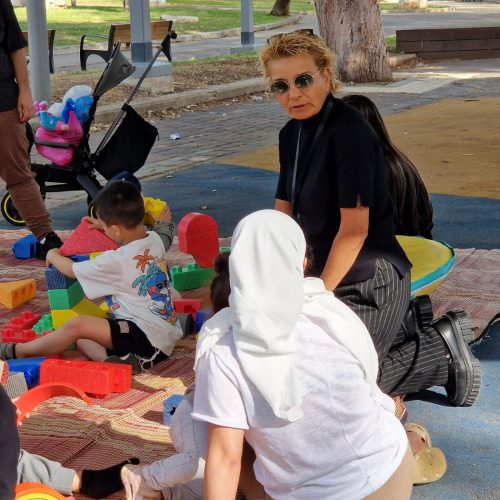
Building on insights from a similar project developed by the Adler Institute in Lod, the municipal pilot was designed for rapid implementation and low cost. The model incorporated the "Rolling Play Space"—a portable play kit that created an engaging play environment for infants and toddlers, who might otherwise lose interest in standard playground equipment. The innovation behind the play kit lies in its ability to keep young children safely engaged within their parents' sight, creating the mental space parents need to have a focused conversation with a professional facilitator in the heart of the public space.The pilot was held in the park adjacent to the community center, with the aim of partnering with the center and encouraging local residents to become familiar with the range of services it offers. The sessions took place over three consecutive weeks and attracted dozens of parents who received focused, on-the-spot professional guidance. The conversations reflected the everyday challenges of raising young children, with the most common topics including toilet training, adjusting to childcare settings, sleep difficulties, and managing tantrums. Most parents' questions centered on the developmental characteristics and challenges of two-year-olds.

The findings showed that the average consultation lasted approximately 13 minutes. From the second session onward, parents became noticeably more open and at ease, allowing conversations to become longer and more in-depth. Participant satisfaction was exceptionally high, and every parent who completed the feedback questionnaire expressed a clear desire for the program to continue in a similar format.

Building on the pilot's success, the initiative is now set to expand to additional parks across South Tel Aviv, while continuing to refine the professional model and adapt it to the needs of diverse communities.

Municipal Partners:
  • Community, Culture and Sports Administration, Southern District:
  • Southern City Development Unit
  • Southeast District
  • Neve Eliezer Community Center
  • Municipal Parenting Center, Education Administration

Duration of the Activity

1.5-hour sessions, held on the same day and at the same time each week

Location

Public parks

Maintenance Required

Transporting the Rolling Play Space, setup and dismantling; on-site presence of a community center staff member

Cost Components

Professional facilitators' fees; printing of branded materials

Suitable for Ages

Parents of children from birth to age 6, with a particular focus on communities that tend not to access formal public services
WhatsApp Image 2026-05-31 at 15.23.55

Impact

  • Changing patterns of service use: Nearly half of participating parents reported that their conversation in the park was their first-ever experience with municipal parent guidance services.
  • Increasing depth of engagement: The quality of the consultations improved from one session to the next, with conversations becoming longer and more in-depth. Parents also returned to later sessions with follow-up questions about toilet training, sleep, and adjusting to childcare.
  • Connecting families with community services: Holding the program in the public park created a direct link to the adjacent community center. Community center staff distributed information about local services and activity booklets, increasing parents' awareness of other resources available in the neighborhood.
  • Building trust and community: The picnic mats became informal gathering spaces where parents engaged in open conversations with one another, strengthening neighborhood support networks among families with young children.
  • Strengthening the connection between the municipality and the community: The municipality's presence in the public park strengthened community ties and reinforced parents' sense of belonging to their neighborhood.

What we learned along the way

  • The kindergarten teacher as a trusted agent of change: Engaging local kindergarten teachers to promote the program proved to be the single most effective way of reaching families. Parents who came through their kindergarten teacher's recommendation arrived better prepared for the consultation and with more focused questions.
  • The importance of consistency: Holding the program in the same location, on the same day and at the same time each week created a sense of stability, trust, and reliability, giving residents the feeling of a familiar and dependable community resource. This consistency also encouraged parents who were initially hesitant to approach the team to seek advice at later sessions.
  • The importance of having a visible presence: In a busy public park, branded T-shirts and name badges helped establish a clear and professional presence. Banners mounted on the fence proved more effective than freestanding roll-up banners, which were easily blown over by the wind.
  • The importance of co-facilitation: Having two facilitators was essential for expanding the program's capacity, allowing more parents to receive professional guidance simultaneously.
  • Managing demand in an open setting: As trust grew, demand increased and parents began waiting for consultations. It was important to communicate that the service was ongoing ("We'll be back next week") and for community center staff to engage with waiting parents to manage expectations and prevent frustration.
  • The importance of cultural responsiveness: As the program expanded into additional neighborhoods such as Kiryat Shalom, it became important to involve facilitators who were familiar with the local community's cultural context. This helped participants feel more comfortable, understood, and confident engaging with the program.
WhatsApp Image 2026-05-31 at 15.25.02 (3)