Parents' Voices in the City: A Professional Conference and Hands-On Workshop for Learning and Designing Solutions to Urban Challenges

A cross-organizational municipal initiative that transforms a complex social challenge—in this case, parental well-being—into a collaborative process of professional learning and solution design. The initiative is grounded in the understanding that effective responses require a shared language and the active engagement of diverse partners across the municipality.

The well-being of parents with young children is a key contributor to urban resilience and community quality of life. Underlying the initiative is the recognition that parental well-being is not simply a private family matter, but a clear municipal concern—and one that falls within the responsibility of local government. When parents are supported in navigating the challenges of raising young children in an urban environment, the benefits extend beyond individual families, strengthening community resilience and enhancing quality of life across the city.

Despite broad recognition of the importance of parental well-being, it became clear that there was no shared understanding of what the concept actually encompasses. Nor was there a common municipal approach or a set of established practices for addressing this challenge. To elevate the issue on both the municipal and national agenda while fostering broad-based learning, the municipality chose to develop the initiative in partnership with other local authorities from the outset. This approach enabled municipal staff at all levels—from deputy directors-general to frontline managers—to learn alongside peers from across the country, deepen their theoretical and practical understanding before moving into implementation, and validate their assumptions and challenges through cross-municipal exchange.

The methodology developed through this initiative offers a structured approach that can be applied to a wide range of urban challenges. It is built around three stages: identifying an urban challenge, engaging in broad-based collaborative learning, and translating that learning into practical solutions. The model enables teams across the organization to address complex challenges by connecting field experience with professional expertise. In this case, it was implemented as a two-day process:

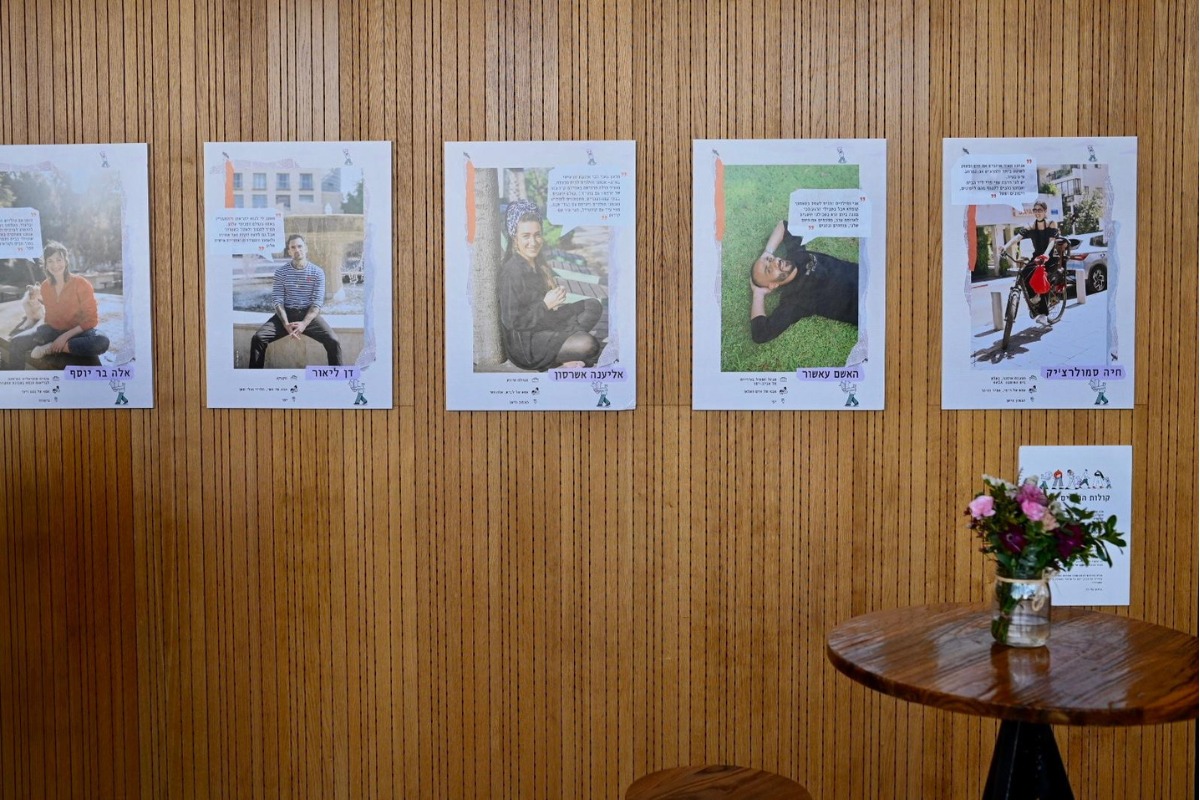
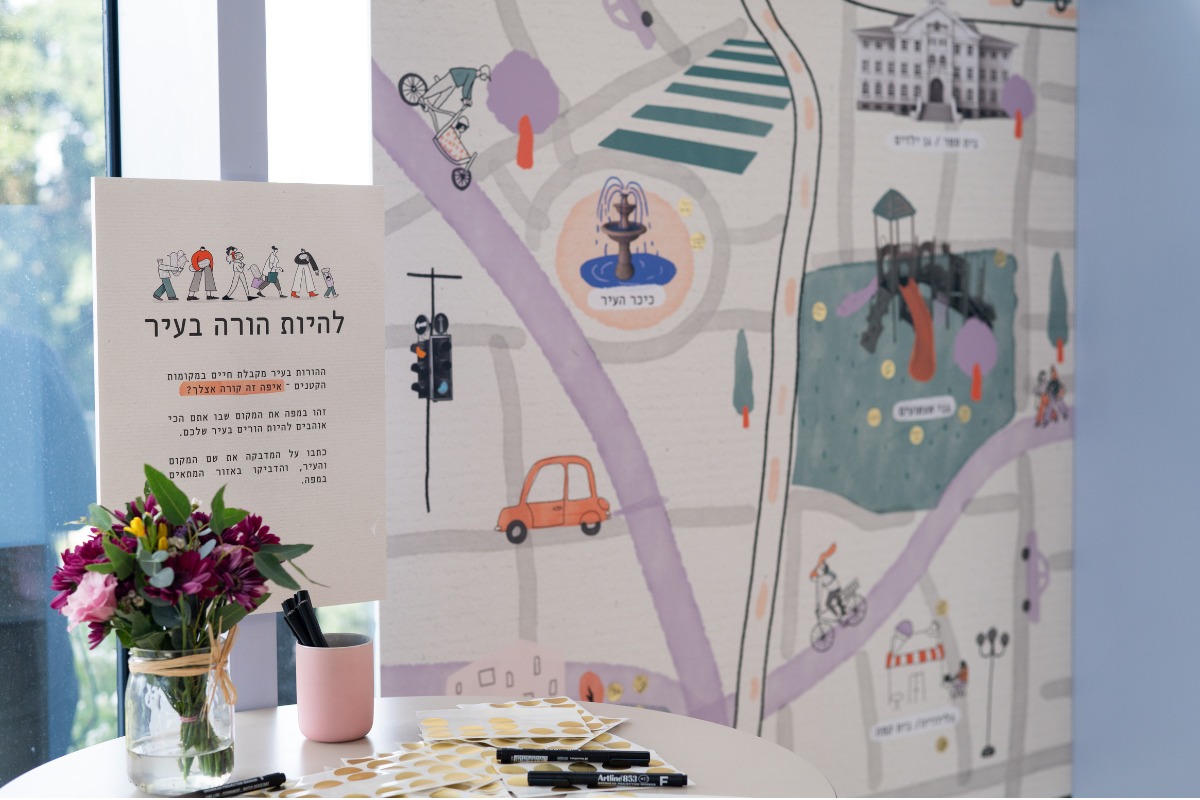
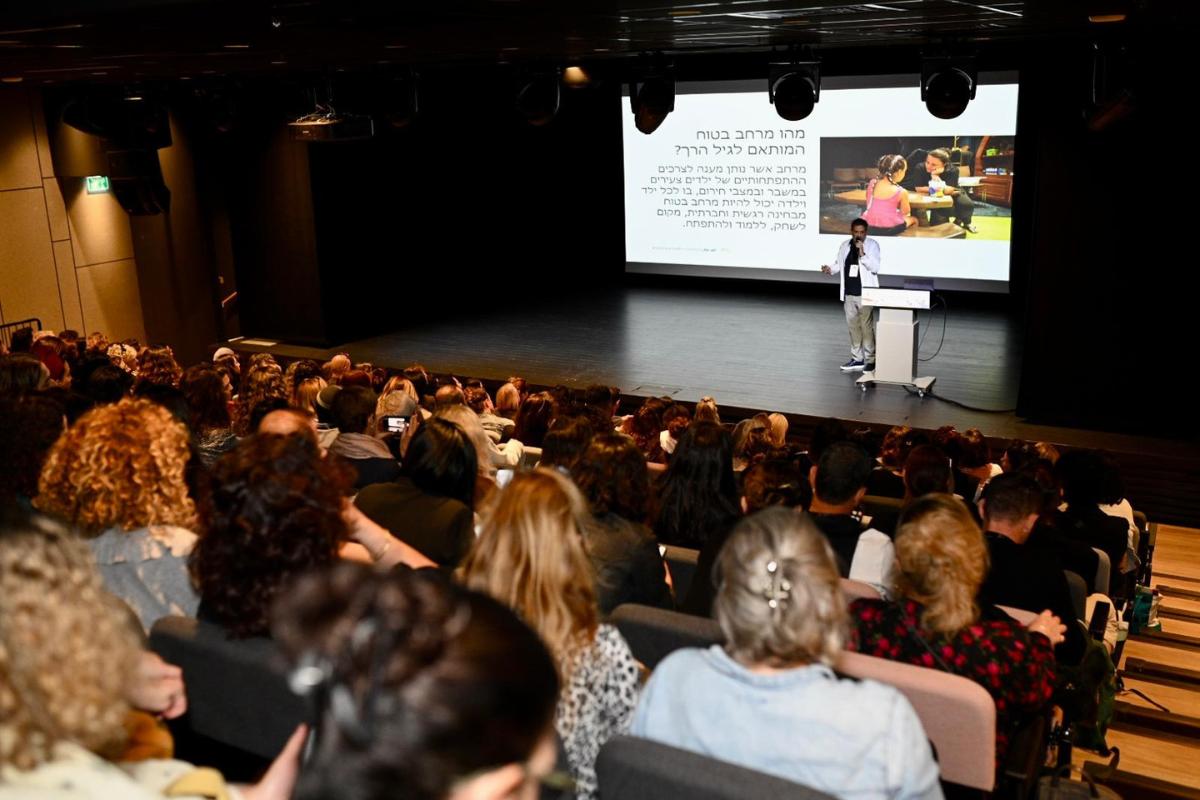
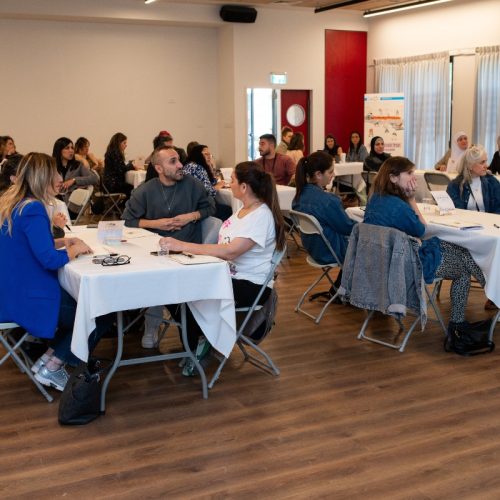
Day 1 – Professional Conference: A large-scale learning event featuring expert lectures and theoretical sessions. The conference aimed to build a strong shared knowledge base and engage a broad range of municipal departments and leadership levels. It established the conceptual foundation and professional rationale for addressing parental well-being.

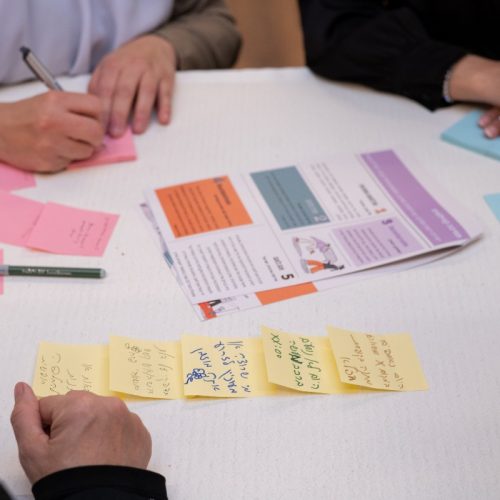
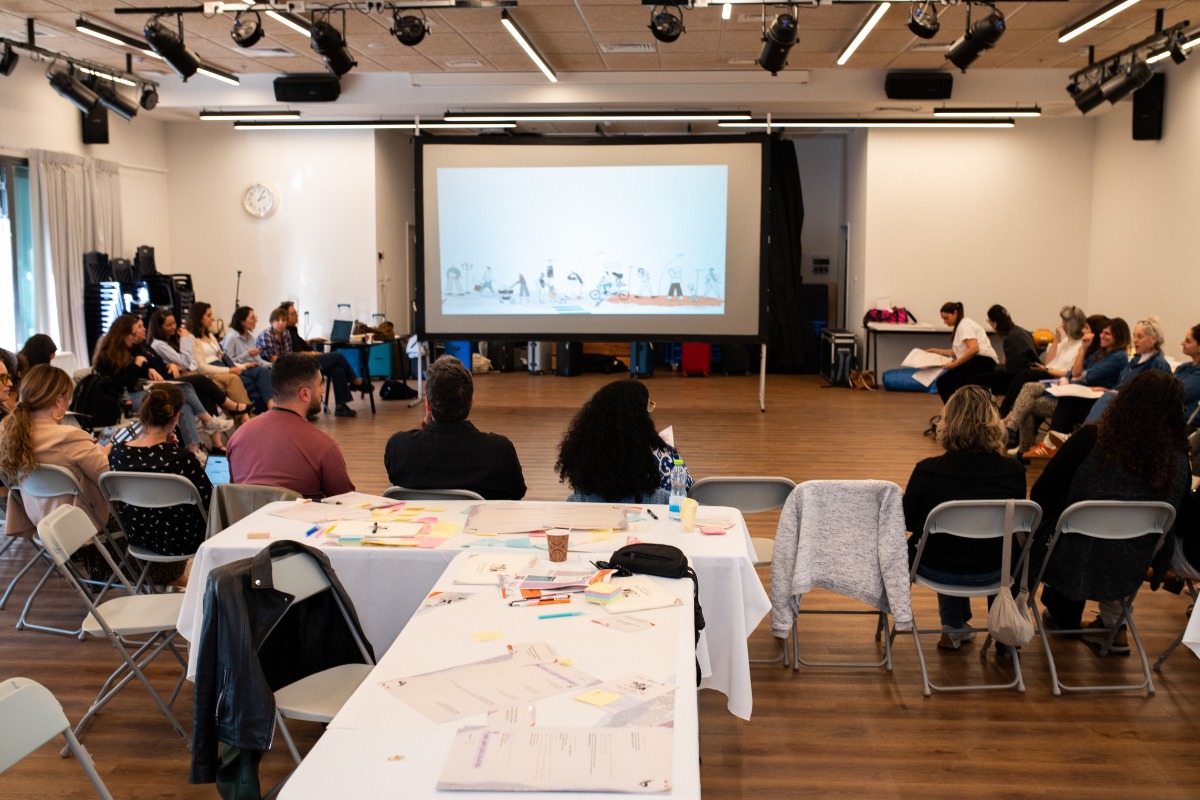
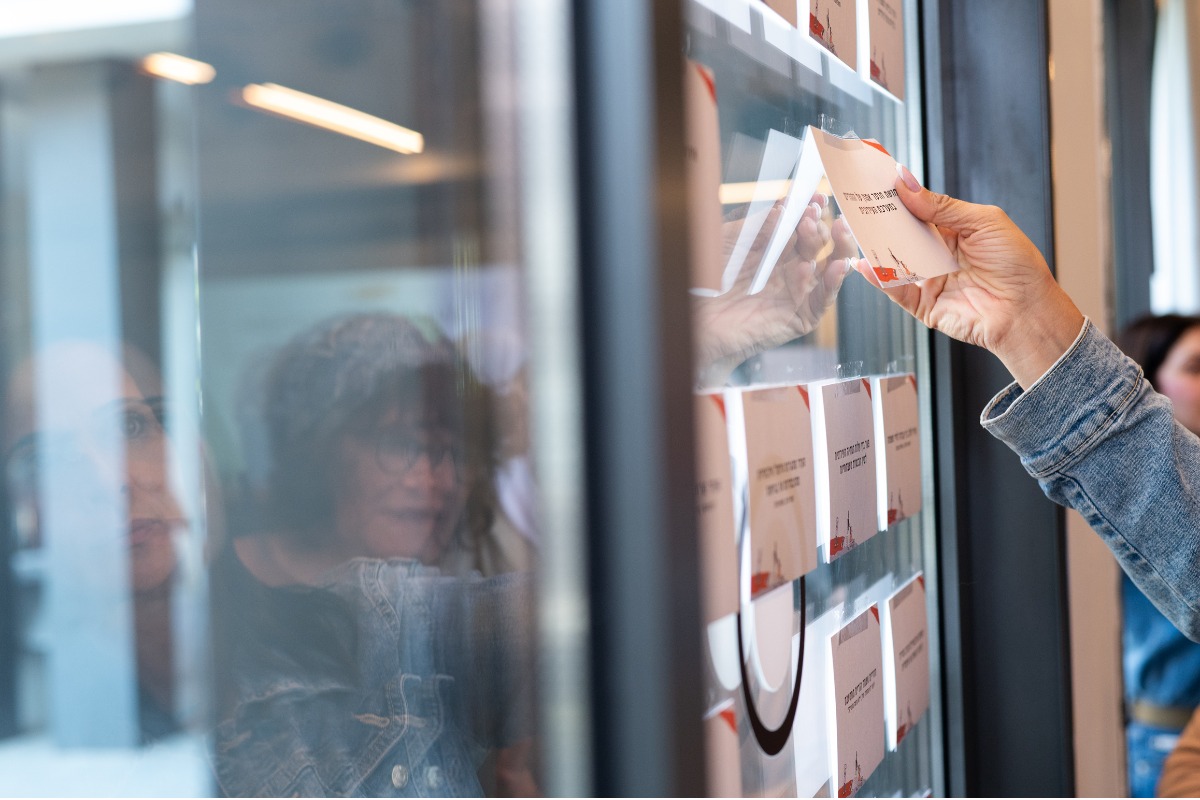
Day 2 – Hands-On Workshop: A smaller working session for municipal teams focused on translating theory into practice. Participants applied the principles of Systematic Inventive Thinking (SIT) to develop creative solutions by working within existing constraints and drawing on available resources. Teams explored the assets already present in their municipalities and used them as the basis for designing initial ideas for responses tailored to their local urban challenges.

As a direct outcome of the conference and workshop, a professional handbook was produced, bringing together the knowledge and insights generated throughout the process. The handbook serves as both a conceptual foundation and a knowledge resource for municipal departments, supporting deeper engagement with the topic and the translation of professional principles into practice across a wide range of municipal services and urban settings.

Municipal Partners:
Community, Culture and Sports Administration
Policy leaders and implementation staff from municipal departments across the city (including Education, Welfare, and Planning)
WhatsApp Image 2026-05-31 at 15.53.53 (6)

Impact

  • Scale and diversity of participation: More than 200 participants attended the conference, representing departments across the Tel Aviv–Yafo Municipality, local authorities from across Israel, and relevant civil society organizations. The forum brought together a broad range of professional roles and organizational levels—from senior leadership to frontline staff in community centers working directly with residents. This diversity was essential to creating broad municipal and intermunicipal impact.
  • Commitment to continued action: More than 90% of participants expressed a strong willingness to continue exploring the topic within their own departments, demonstrating the initiative's success in building organizational commitment and translating theory into practice.
  • Catalyzing municipal action: The initiative generated significant momentum across participating municipalities. Following the conference and workshop, municipalities began advancing a wide range of operational initiatives, including integrating early childhood principles into municipal policy, developing public spaces, engaging new partners, launching parent education workshops, and allocating dedicated resources for the development of municipal master plans. Several municipalities also initiated feasibility studies and site visits, enabling them to refine their original plans and develop responses tailored to local needs.

What we learned along the way

  • Learning as a tool for engagement: The learning phase is not simply about expanding knowledge—it is a critical organizational and strategic tool for engaging key stakeholders from the outset. As a result, by the time implementation begins, participants already share a common language and a set of guiding principles.
  • The value of intermunicipal peer learning: Bringing together representatives from different local authorities enriched the discussion, helped identify shared challenges and creative solutions developed elsewhere,
  • The value of intermunicipal peer learning: Bringing together representatives from different local authorities enriched the discussion, helped identify shared challenges and creative solutions developed elsewhere, and strengthened a shared sense of purpose around early childhood.
  • Tailoring content to different roles: Different organizational levels require different levels of detail. While deputy directors-general benefited from understanding the strategic vision and rationale presented at the conference, frontline staff needed practical tools and dedicated time to develop solutions.
  • The importance of networking and shared learning: Participant feedback showed that cross-departmental dialogue and informal exchange were just as valuable as the theoretical content. Participants especially appreciated the opportunity to pause, reflect, and think together in a space removed from their day-to-day responsibilities.
  • Building continuity into the process: The key to success lies in linking the initiative directly to departmental work plans and providing ongoing professional support. The handbook transformed the knowledge generated through the process into a lasting organizational resource, while the continued support of the Urban95 Israel team helped embed the professional principles in day-to-day practice.
WhatsApp Image 2026-05-31 at 15.53.53 (12)

Key Insights from the “Parents’ Voices in the City” Conference