The early years of life represent a critical window for the development of cognitive, emotional, and social skills. During this period, many young children spend much of their day in early childhood settings, giving caregivers a profound influence on their learning, development, and overall well-being.
In urban settings, however, a significant proportion of children attend small private early childhood programs that fall outside the scope of the national regulatory framework. Operating with little oversight and limited connection to municipal support systems, these settings are typically staffed by caregivers who have little or no formal training in early childhood education or access to ongoing professional support. As a result, a gap can emerge between children's tremendous developmental potential and the quality of care and learning opportunities they receive in practice.
To address this gap, the Early Childhood Department (Birth to age three) within the Education Administration launched an initiative aimed at improving children's well-being by strengthening the knowledge and skills of caregivers. A neighborhood in South Tel Aviv with a high concentration of unregulated early childhood settings was selected as the pilot site.
The neighborhood is characterized by socioeconomic complexity and ongoing gentrification. Most caregivers belong either to long-established local communities or to the local Haredi community—groups that often experience social and institutional isolation, making sustained engagement with municipal services more challenging. At the same time, many families face socioeconomic hardship, limiting their ability to assess the quality of early childhood care or to adequately compensate caregivers. These conditions underscored the need for accessible, professionally grounded municipal support.
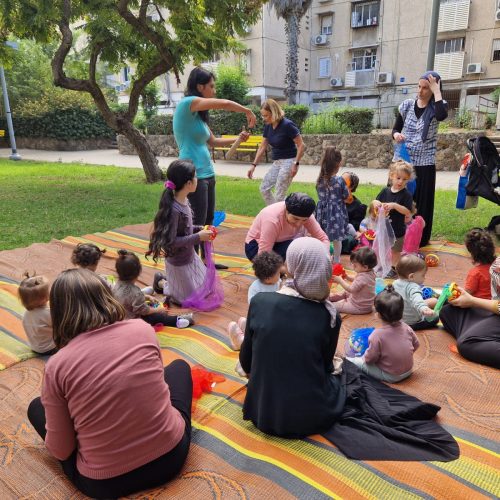
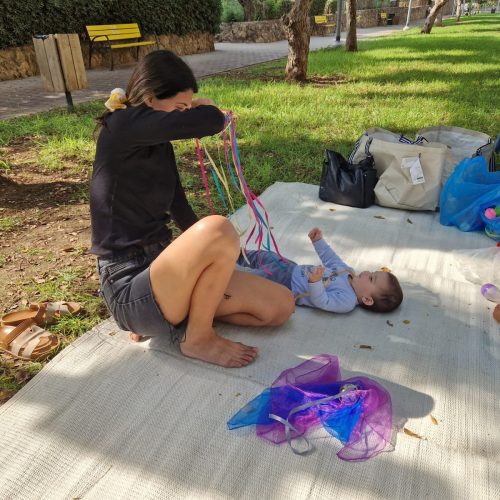
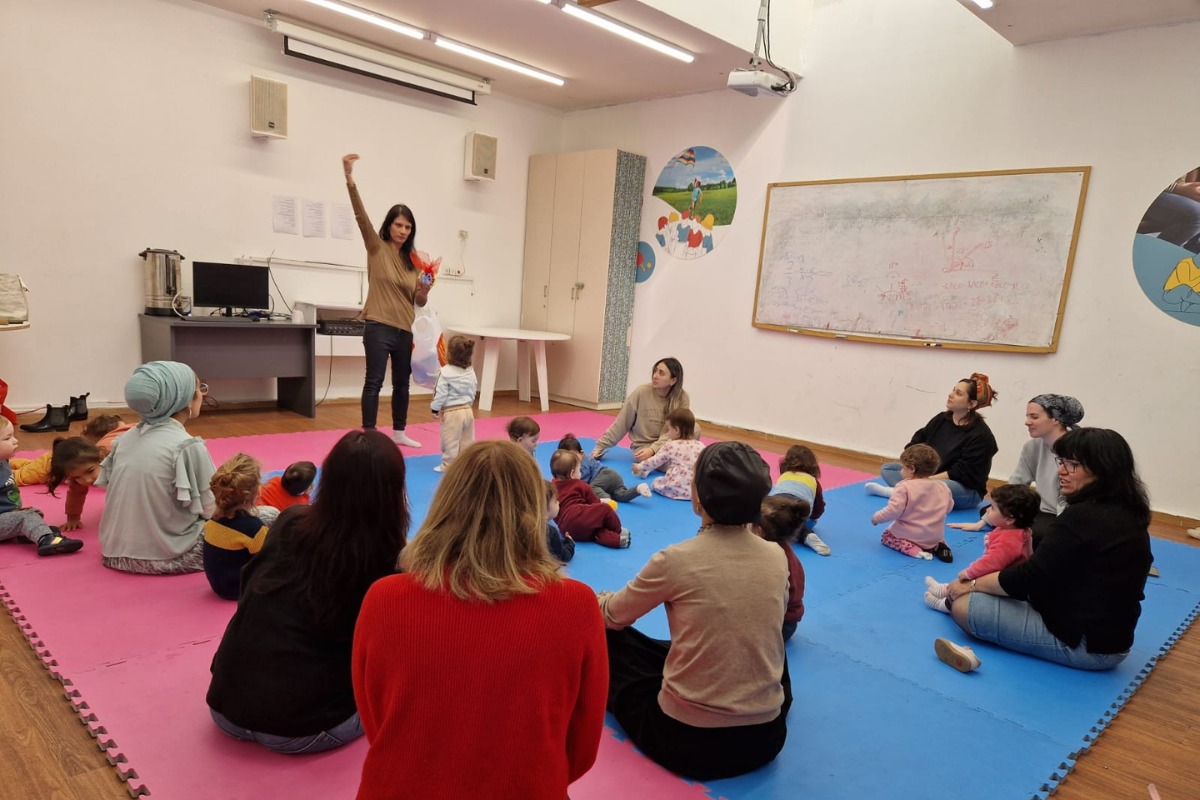
To establish an initial connection, the project adopted a "soft-entry" approach by meeting caregivers in the public space during the morning hours, when they were already outside with the children in their care. The aim was to provide immediate value with minimal effort on the caregivers' part, while building the trust needed to encourage participation in future voluntary training and more in-depth professional development. To support this approach, a series of workshops was developed, offering caregivers a community-based space to connect with colleagues from their neighborhood while gaining practical tools and professional knowledge to support high-quality early childhood care. As part of the pilot, four weekly sessions were held in the playroom of the local community center covering a range of topics, including music activities, sensory experiences, play and playfulness, and books and storytelling for young children. The pilot demonstrated that meeting in a neutral and welcoming environment helped break down barriers of mistrust and create a shared understanding between caregivers and the professional team.
The success of the model relied on close collaboration between the Education Administration and the Community Administration, demonstrating how complementary institutional strengths can advance shared goals. While the Education Administration provided the pedagogical expertise, the local community center served as both the physical and social hub for the program. It also played a central role in promoting the initiative among local parents and residents, who in turn acted as trusted intermediaries between the municipality and caregivers.
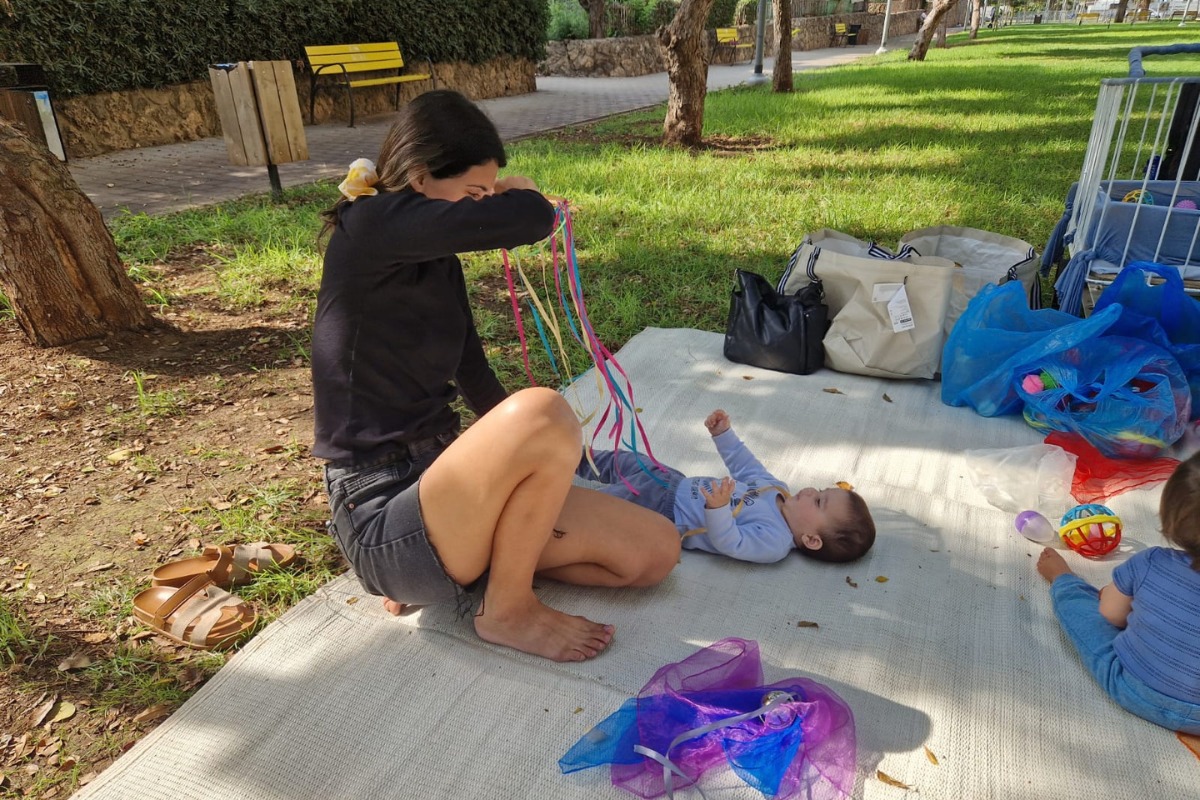
One of the key lessons from the program was that the model's success depended on its flexibility and its ability to adapt to the pace and culture of each community. Building on the workshop series at the community center, additional morning sessions were introduced in public parks, alongside activities for mothers on maternity leave. This created more opportunities for caregivers to connect with families in the neighborhood, providing an additional incentive for their participation. Looking ahead, the program is expected to expand to other neighborhoods across the city, while continuing to develop its pedagogical content and deepen the connection between unregulated childcare settings and the community center as an ongoing professional resource.
Municipal Partners:
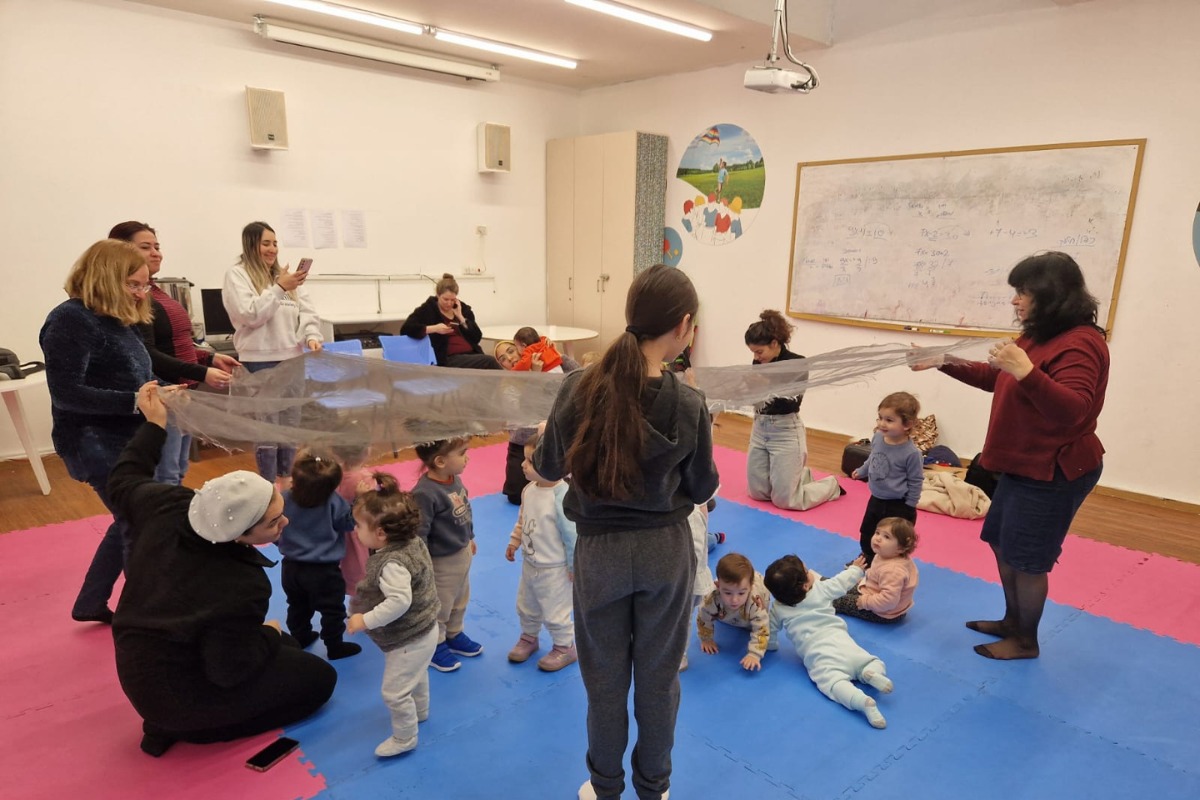
Up to ten caregivers (with the children in their care)
A weekly 45-minute session followed by free play time
Community center playroom
Setting up and packing away equipment before and after each session
Facilitator's fee; one-time equipment purchase (safety fences, floor mats)
Caregivers in unregulated family daycare settings